What if the internet you use daily could save hours of your time, but you’re not using it fully?
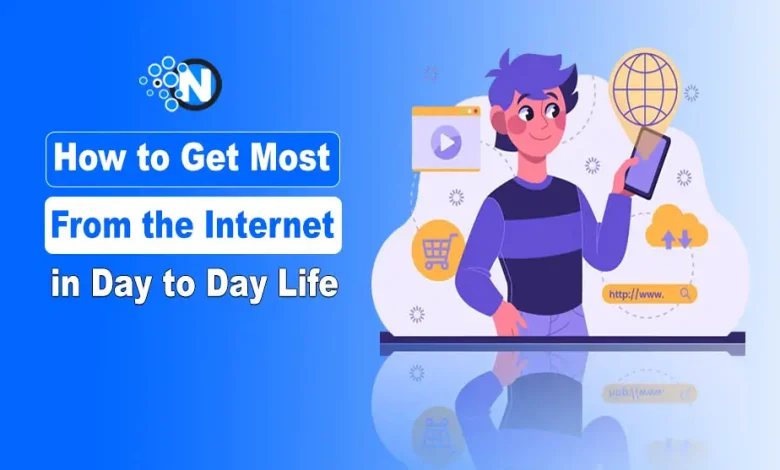
Smartphones, computers, and high-speed internet now shape how we work, learn, and communicate. From online learning and emails to booking rides, ordering food, and managing tasks, the use of the internet in daily life is vast.
Still, many people only use it for basic browsing. So, if you’ve ever felt you’re not using it to its full potential, here are the best ways to use the internet more productively in your personal and professional routine.
Why the Internet Is So Important in Our Daily Life?
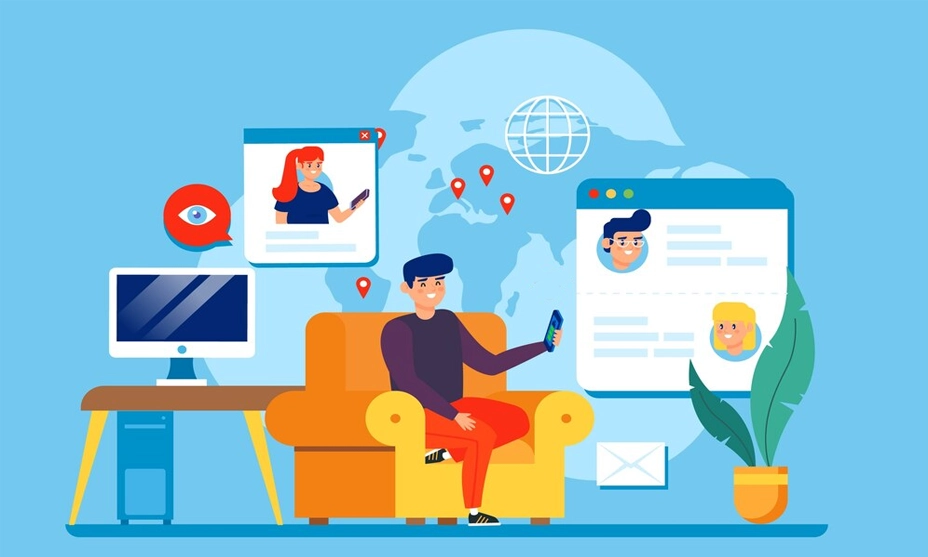
The internet is essential because it connects people, supports learning and online businesses, and provides instant access to information, global communication, and entertainment.
You can stay connected with family and friends across the world in seconds. Learning has also become easier with instant access to educational resources, courses, and tutorials.
In professional life, it improves your productivity through tools and AI agents for emails, file sharing, and online collaboration.
Advantages of the Internet in Daily Life
Internet has made life faster, easier, and more connected in many ways:
- Instant access to information on any topic.
- Easy communication through messages, calls, and emails.
- Online learning and skill development from anywhere.
- Convenience in shopping, banking, and bill payments.
- Improved productivity in work and business tasks.
Disadvantages of the Internet in Daily Life
Despite its benefits, excessive or improper use of the internet can also create problems:
- Addiction and wasted time due to overuse.
- Spread of misinformation and fake news.
- Privacy and data security risks.
- Reduced physical activity and social interaction.
- Distraction from studies or work.
10 Ways to Actually Use the Internet in Our Daily Life
The internet is now a global utility that supports communication, education, business, governance, and entertainment at scale. Here are the 10 most important uses in this modern age:
1. Instant Communication & Connectivity
The internet enables instant global communication through messaging, video calls, and social platforms, making distance irrelevant in daily life.
There are over 1.34 billion websites on the internet, and around 68.7% of the world population actively uses social media for communication.
Platforms like WhatsApp, Instagram, and Snapchat allow real-time interaction, with users spending an average of 2.5 hours daily on social platforms. Today, communication is no longer limited to social interaction; it supports business, education, and even global coordination.
2. Education and E-Learning
Wifi and other internet networks have transformed education into a flexible, accessible, and global system of learning.
Research from McKinsey shows that 65% of students prefer hybrid or virtual learning. While the global e-learning market is expected to reach $457 billion by 2026. Platforms like Coursera, edX, and Khan Academy have made high-quality education widely available.
3. E-Commerce (Online Shopping)
E-Commerce has revolutionized retail by enabling global online shopping and digital marketplaces like Amazon, Shopify, and WooCommerce.
Global e-commerce sales are projected to reach $7.89 trillion by 2028, and in 2026, global online sales are projected to contribute around 21.1% of total global retail sales.
Mobile commerce sales are expected to reach $856 billion by 2027, as mentioned in Forbes, showing how deeply online shopping is integrated into daily life.
Online Shopping Safety Checklist:
✅Shop on secure websites (look for “https://” and a padlock icon)
✅Use strong, unique passwords for shopping accounts
✅Monitor your credit card statements regularly
✅Read reviews before purchasing from unfamiliar retailers
✅Be cautious with deals that seem too good to be true
✅Use trusted payment methods with buyer protection
✅Consider using virtual credit cards for additional security
✅Install anti-malware software on your devices
4. Digital Banking & Fintech
Now, the internet has moved banking from physical branches to fully digital platforms accessible through smartphones, such as PayPal, Google Pay, and many more.
Digital banking is expected to grow from $10 billion to $32 billion by 2035. Around 80% of millennial users prefer online banking, and 72% of Gen-Zs are into online global transactions.
Platforms like PayPal and mobile banking apps have made financial services faster, safer, and more accessible than ever before.
5. Information & Research
Internet landscape is the world’s largest knowledge base, enabling instant access to information through platforms like Wikipedia and Grokipedia and advanced research tools.
Search engines generate an estimated $780 billion in economic value annually, as mentioned by McKinsey & Company, highlighting their importance in global knowledge systems.
With 71% of organizations using generative AI tools, research has become faster, more accurate, and highly scalable.
6. Entertainment & Streaming
Traditional media is replaced with on-demand online streaming, gaming, and digital entertainment.
Platforms like Netflix, YouTube, and Hurawatch dominate global entertainment, with millions of users streaming content daily.
High-definition streaming requires up to 4.5 Mbps bandwidth, which is easily available to US residents through Xfinity internet plans that support modern media consumption.
7. Social Networking
Social networking platforms have become essential for communication, branding, and digital communities.
Over 62.6% of the global population actively uses social networks, making them a core part of modern life.
Platforms like Facebook, Instagram, and TikTok also support social commerce, a market projected to reach $1.2 trillion.
💡Pro Tip:
Use built-in tools like Instagram’s “Take a Break” feature or screen time management settings on your phone to maintain a healthy balance with social media. Consider periodic “digital detoxes” to reset your relationship with these platforms.
8. Remote Work & Collaboration
Choosing high-quality internet options has made remote work and global collaboration possible, transforming traditional office systems. Tools like Slack and Microsoft Teams enable real-time communication and project management.
McKinsey reports that remote work trends accelerated after the pandemic, and by 2030, 60% of the workforce will require digital reskilling after automation.
9. Navigation & Travel Services
Modern traveling has been completely revolutionized due to the internet by modifying real-time navigation, traveling websites, booking systems, and travel planning tools.
Apps like Google Maps provide GPS navigation, live traffic updates, and route optimization. Users also rely on online platforms for booking flights, hotels, and transport services.
10. E-Governance & Public Services
Governments now use ISPs such as Google Fiber and Xfinity to deliver public services more efficiently and transparently.
Citizens can renew passports, file taxes, and access welfare services online through digital government portals. SWAN and Digital governance significantly reduce cost and waiting time while improving accessibility.
In many countries, online systems have replaced long queues with fast, transparent digital processes, making governance more efficient and citizen-friendly.
My Final Take on Why the Internet Matters in Daily Life
The use of high-quality internet services like Google Fiber has become essential for communication, learning, work, and convenience.
From platforms like Google to WhatsApp, it shapes the way you access information and stay connected. While the importance of the advanced Wifi and networking in our daily lives continues to grow, using it wisely is what truly matters.
In my opinion, the best use of the internet is not just for entertainment but for learning, productivity, and growth. When used correctly, it can simplify life and create meaningful opportunities every day.